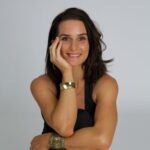
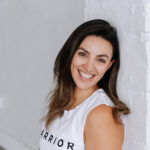
Flo Fenton on Trusting the Body

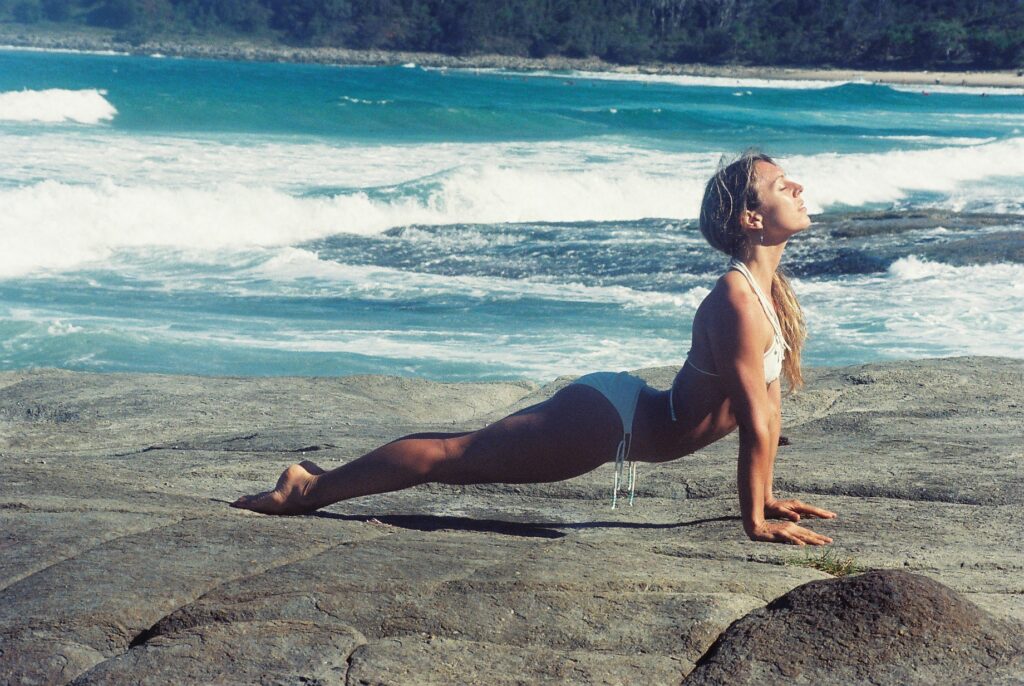
Flo Fenton has been teaching yoga in Byron Bay since the late nineties, when she came through the nine-month Yoga Arts teacher training and met Libbie Nelson, a physiotherapist and yoga therapist she still considers one of her great mentors. Libbie told her then, on that first training, that she was hypermobile and that the extreme postures she was practising daily through the Ashtanga primary and second series were unlikely to serve her in the long run. Flo took years to really hear it. “It took me many years and a lot of pain to really listen to that and change how I did things.”
That arc, from physical capability to therapeutic clarity, runs through everything she now teaches. Her formal training with Yoga Therapy Australia and the Viniyoga Healing Foundation in Chennai gave her something her early years had only gestured at, a working set of principles for healing. She speaks about them with the affection of someone who has tested them in the room, week after week, with students whose conditions did not allow for guesswork. The stages of recovery, for instance. In the acute phase, when there is inflammation, you rest. Once the inflammation passes, you work on mobility without weight bearing. Only when non-weight-bearing movement is pain-free do you progress to strength. Physiotherapists, she notes, often introduce strength work earlier, and she does not think it is as effective.
A few years ago, a student came to her after a near-fatal car accident, carrying a brain injury, severe whiplash, and PTSD. Their first sessions together happened entirely supine, with eye movement only, gentle nervine stimulation through the neck, lots of yoga nidrā, breath work, visualisation, and the long quiet of being heard. They worked together weekly for three years. He now holds a strong intermediate practice and tells her the accident was the best thing that ever happened to him. Six months in, he sent his partner, who had been in the same crash and arrived on crutches with a smashed leg and pelvis. She is now doing one-legged balances. Both have returned to full-time work. “Those kind of students just crack my heart open,” Flo says. And the principles, she has come to see, hold beyond the physical body. In trauma, in grief, the same shape applies. Rest, then a small emotional stretch, then strengthen.
The same craving for clarity informs her sequencing course, which has become one of the most popular CPD offerings on the Yoga Australia platform. When she began running her Level 2 teacher training, she found students arriving from other Level 1 programs without any working method for building a class. Her own approach is unfussy. Every sequence needs a clear goal. Once you know the goal, you can pinpoint the one or two postures that meet it, and those become your core. Around them you build a warm-up that moves in the same direction at lower intensity, and a cool-down that returns the system to neutral. Simple, but without those steps sequencing tends to drift.
Asked which professional move felt like the biggest leap, she answers honestly that her eleven years of running teacher trainings demanded a level of expertise and articulation she had not previously been forced to reach, and that the work was a labour of love rather than a clever business decision. She made roughly the same income as she does now on a far more relaxed schedule. She let it go, and she misses it.
What would she tell a younger teacher? Trust yourself. Listen to your body. Resist the assumption that good teaching is about how you look or what you can perform. It is about knowledge and experience, and really seeing the students in front of you. Small classes are not a verdict. Stick to your principles, stay consistent, and the students will find you.
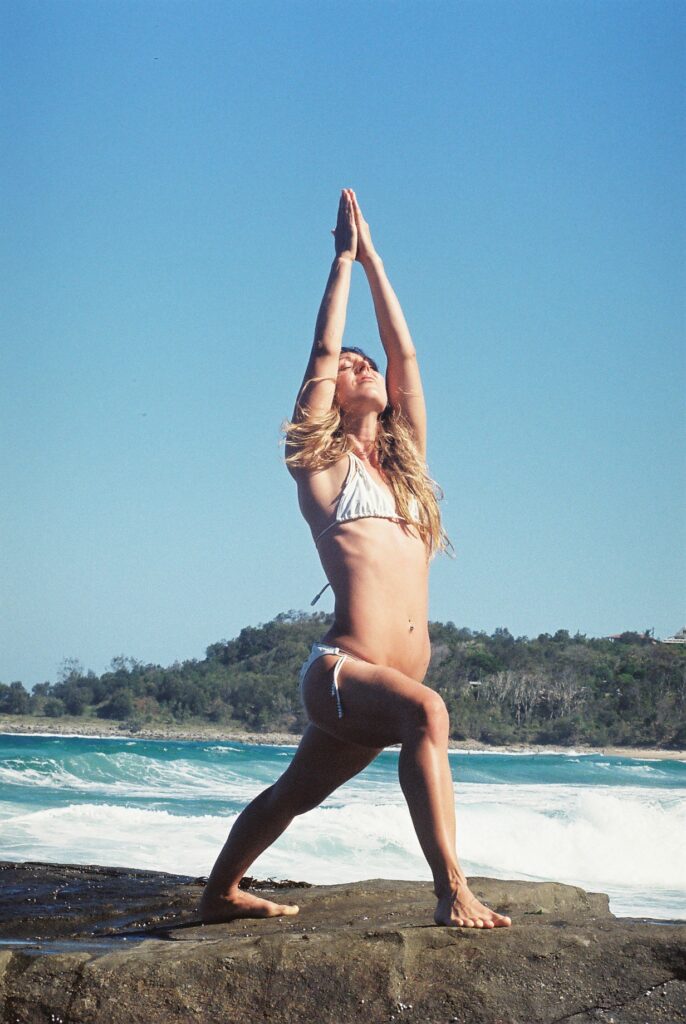
We’re celebrating yoga teachers who have
transformed their love of yoga into a thriving career.
Through our new storytelling campaign, we’ll feature inspiring journeys, lessons learned, and the positive impact teachers are making in their communities.
Through real stories, we aim to:
- Recognise the incredible work happening across the industry.
- Increase visibility and leads for local yoga businesses.
- Inspire yoga teachers who are walking a similar path.
- Build trust through authentic storytelling.
Know a teacher who has a story to share? Nominate them!
(Send an email to [email protected] for details.)
Starting a yoga business
If you want to build a career like this one, these CPD courses are where to start. Every one of them is free for members.
 Creating your New Business Marketing Strategy and Planwith Katie RoseBranding, niching and digital marketing, to grow a sustainable business that aligns with your values.
 Personal Brandingwith Amy McDonaldBuilding a personal brand, creating a style guide, clarifying a core message, and celebrating your own unique qualities.
 Marketing Your Studiowith Smith Brothers MediaBrand awareness, customer value, and practical tactics to guide the marketing cycle from awareness to advocacy.
 Legal Management for New Business Ownerswith Jen Tutty, Studio LegalLeases, business partner agreements, employment contracts, liability waivers and more.
 Accounting 101with ReckonRecord business transactions, create invoices, and generate accounting reports.
 Reducing Financial Overwhelm for Yoga Business Ownerswith Michelle ManionMaster your numbers, streamline operations and grow your profits.
 Trauma Informed and Sustainable Business Practiceswith Ramone BissetDefining your values, attracting ideal students, and creating a supportive, inclusive environment.