Yatra in Nepal

In this article, Tamblyn Lord, a long-standing Yoga Australia member, reflects on what it means to undertake a yātra and why this particular trek, winding through earthquake-affected villages in the foothills of the Himalayas, offers something quietly transformative for modern travellers.
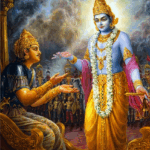
A ‘Yatra’ is both a Hindu and Buddhist term for a ‘journey’ or ‘sacred pilgrimage’, originating from the Sanskrit root word yā (to go). It is an individual or communal odyssey devoted to visiting site/s of spiritual and cultural significance. Self-exploration is a strong intention, while following a path of both historical and mystical meaning. It is a trek of transcendence. A rite of passage.
Hindu pilgrims believe there is no greater act of devotion (bhakti) than undertaking a yatra at least once in their mortal lives. Think of the mass of crowds at the Kumbh Mela festival every 12 years or other holy places, such as those sites referenced in the Hindu epics of The Mahabharata and Ramayana. And the legacy of the Mt Kailash kora in Tibet – a high altitude 52 km trek around the ‘abode of Lord Shiva’. A life-affirming experience that I have been fortunate enough to have embarked on.
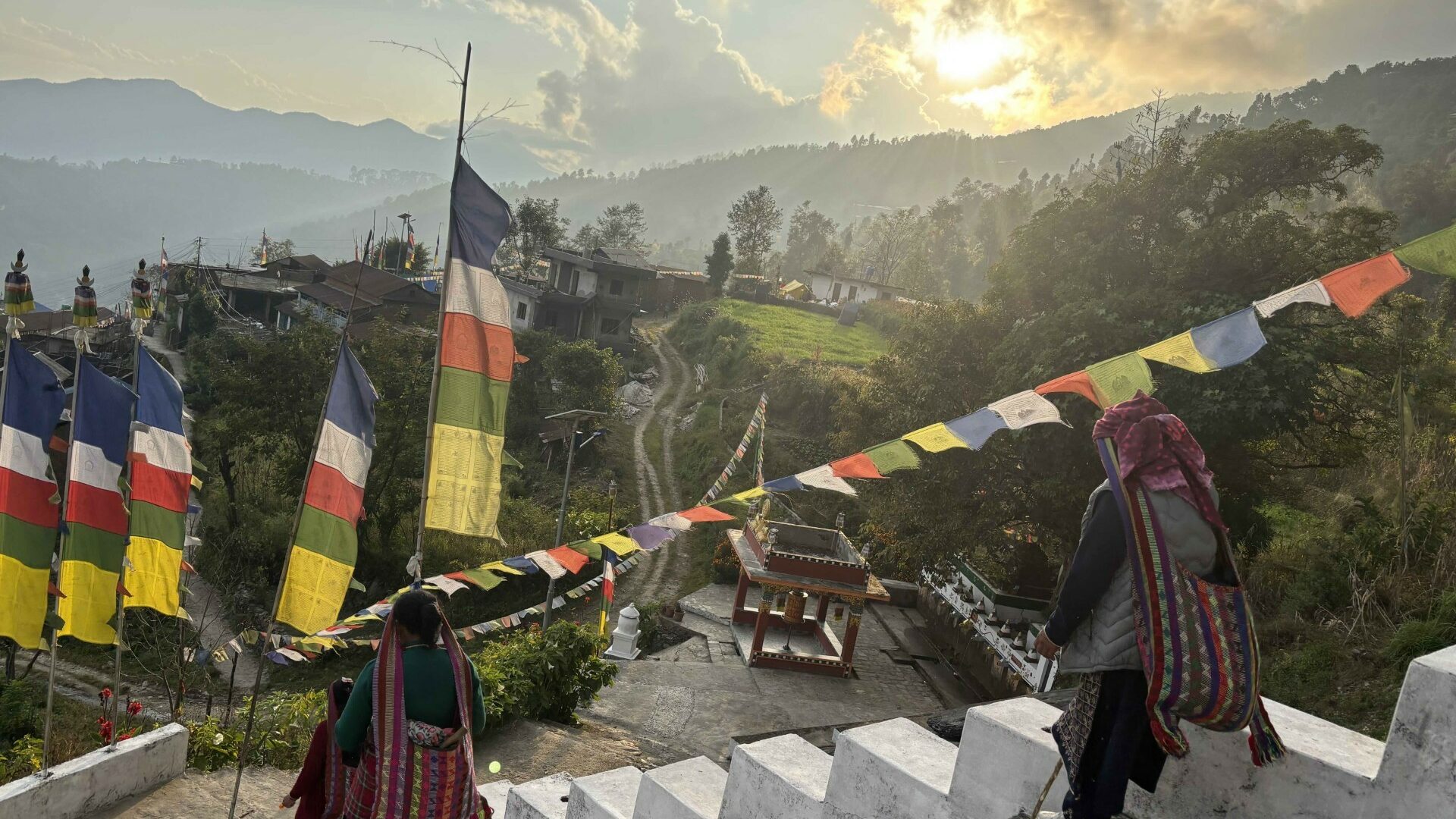
A yatra evokes the potential to energetically align one’s Self (Ātman) closer with the Supreme Self (Brahman) while experiencing an inner cleansing (antaḥparimārjana) and attaining a deeper understanding of oneself (svādhyāya). It is a challenge of both physical and mental propriety and yet so uplifting that the seeker may indeed appreciate the feeling of being ‘closer to God’.
In a modern context, can a yatra be available to those who don’t necessarily want to follow a strict religious path and yet still appreciate the journey within ? The short answer is ‘yes’. Westerners are fortunate to be able to visit many significant holy sites and can choose to undertake a pilgrimage, of sorts, almost anywhere in the world nowadays.
For the past two years I have been supporting a charity based yatra in Nepal that visits not only important cultural sites but also immerses itself within the local community. 10 days and 55 kilometres of inspiring trekking in the foothills of the Ganesh Himal – situated in the Ruby Valley, a few hours drive north of Kathmandu. A region that was decimated by the April 2015 earthquakes.
It has been a wondrous experience of merging oneself intimately within the environment: its beautiful people, the mighty Himalayas and its stunning landscape. With a jovial support crew, comfortable camp lodgings, locally sourced organic food and held at well below the altitude of our own Mt Kosciuszko (2,228 m), it’s a lot less toil on the trail than that of a classic pilgrimage, where one is expected to carry no extraneous items, including food. No ‘singing for your supper’ on this Nepalese journey – unless you’re happy to join in around the campfire for the festive singalong (bhajan) held most evenings.
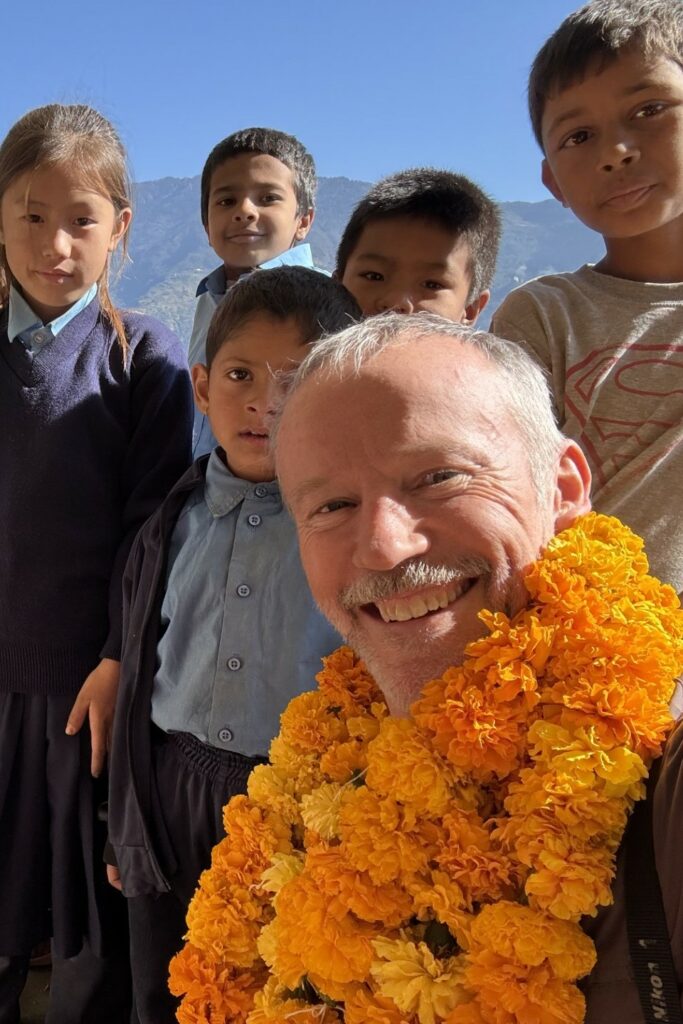
Probably the most fulfilling aspect of this yatra is the interaction with the village locals and their schools. In offering clothing donations from home, as well as spending quality time with the children, one appreciates that spiritual growth stems from a karmic exchange: ‘as you give, so shall you receive’. Well, actually, it’s more that the Nepali children here selflessly offer so much energy of light and joy, that it’s impossible not to feel an uplift of otherworldly proportions.
Western held values of consumerism and materialism, entitlement and hedonism have no place here. The ‘self-made myth’ – a narrative that success is purely the result of individual effort – appears here as ludicrous as ever. It’s the community that brings value to the Self and vice-versa. One literally cannot survive without the other in this harsh yet captivating environment.
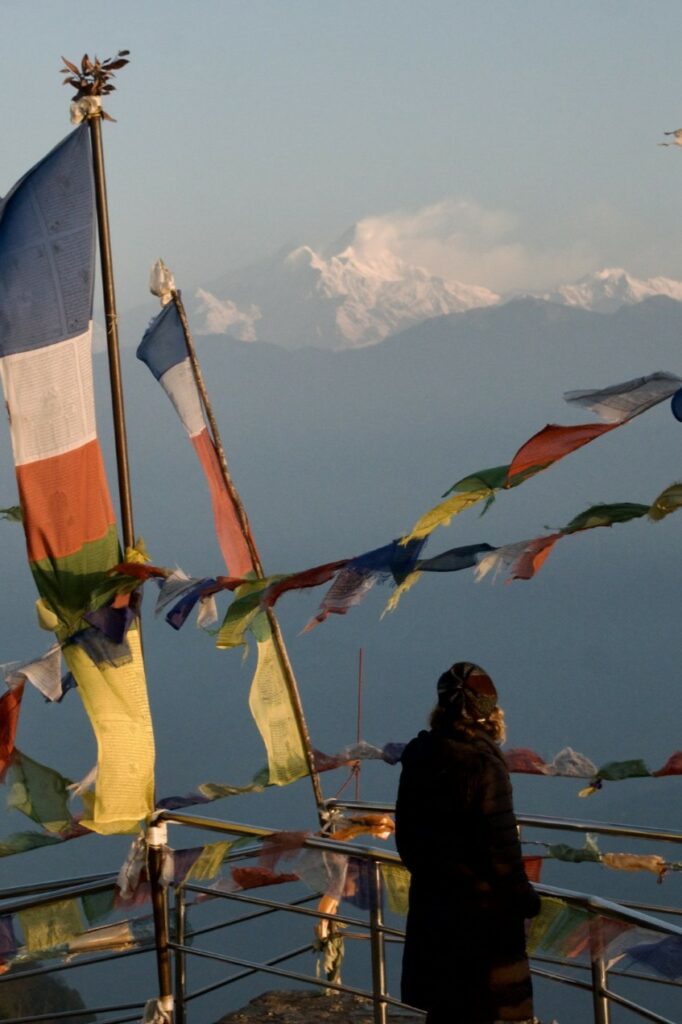
The path followed through the terraced foothills includes visits to local hindu and buddhist temples, silent strolls (mauna) through the rainforest and spectacular sunrise lookouts to 7,000+ metre peaks of the Himalayas: Manaslu, Ganesha and Langtang. It’s a visual feast along the way, yet somehow still very sobering and grounding. It sharpens one’s focus (dhāraṇā) and ultimately soothes the senses (pratyāhāra). Meditation (dhyāna) in these mountains becomes an embodiment of self-realisation and of time itself being suspended and non-linear. It’s all in the moment. It’s all so… expansive.
It’s the closest I’ve come to practically appreciating the balance in life of the yamas and niyamas of Patañjali’s 8 limbed yoga system. This yatra is not about just passing through an area, taking photos and saying “yep, been there. What’s next?” There’s a process of dissolving oneself within nature and allowing permission to be curious, to explore and to let go. It’s an immersive journey. An embodiment within the local community. There is a visceral and heartwarming connection that makes the effort of hiking through the remarkable terraced landscape all the more appreciated.
‘Yogas citta vṛtti nirodhaḥ’ – Patañjali’s famous Sūtra (1.2) that suggests the practice of yoga is to ‘soothe the fluctuations of the mind’ is personified as the yatra unfolds. With supporting movement (āsana), breathing exercises (prāṇāyāma) and mantra recitation (japa) time itself seems to levitate.
Moments appear to extend and drift, as the mind shifts gears toward a calmer & more grounded perspective of the Self and the world around us. Amongst the physical effort (sthira) of following the trail one becomes more at ease ( sukham ). The mind’s sensory input (manas), its memories (citta) and the ego (ahaṃkāra) become better balanced (sāttvic) toward connecting with the universal seat of wisdom (buddhi). The potential for liberation (mokṣa) from our corporeal attachments is almost tangible. The veil (māyā) between the real and the unreal, the permanent and non-permanent, evanesces and brings one closer to the almighty presence of auṃkāra: OM’s eternal vibration.
It feels impossible to be able to frame the energy of this yatra within words or phrasing. Whether it’s by divine design, personal pursuit or energetic ecstasy, the outcome is suitably manifested as an expression of collective joy (muditā). Where the individual merges with delight in the marvel of nature and the happiness of others. The charity’s own mantra is that ‘one arrives as a guest but leaves as family’.
On returning to Kathmandu and then onwards again to one’s own default habitat, the vestiges of this yatra continue to linger. There is a blissful reverence that is somatic, psychological and energetic – all as one. It’s yoga…
If we as humans are to raise our collective vibration for the good of mankind and our planet, then a yatra should be on every workplace, school and family ‘to-do’ list. Make sure you encourage others that it’s a pilgrimage worth doing.
About the Author
Tamblyn Lord is a Level 3 Registered Yoga Teacher and has been invited by Heartspace Expeditions the past two years to attend their Ganesh Himal Charity Trek to offer yoga, meditation and mindfulness practices along the yatra route. He will be joining them again in November this year. Guests are asked to actively raise funds before the expedition and help build awareness of the project rather than just paying a portion of their overall fee to the charity.