From One Dream to Another

The auspiciousness of 18 November
Josh Pryor, CEO
18 November 2026
स्वप्नात् स्वप्नान्तरम्
svapnāt svapnāntaram: from one dream to another, death into rebirth
Mokṣopāya 3,42.31

In Australia we are in a fortunate position, seeded by decades of travellers, migrating through India, eager seekers sharing gifts with us. Enabled by technology and communications, it seems like we have everything at our fingertips. Yet there are people, progenitors, seeders, hidden in plain sight who have much to share that we don’t quite acknowledge.
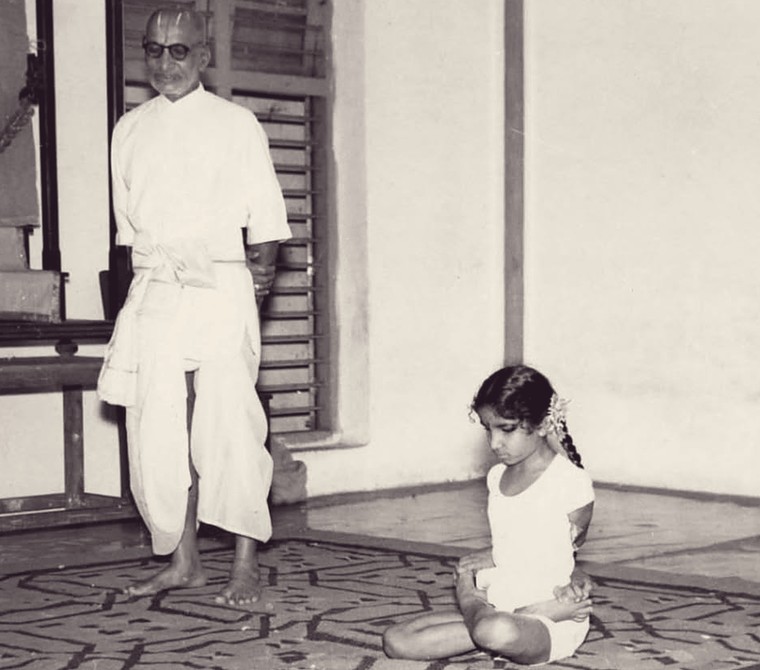
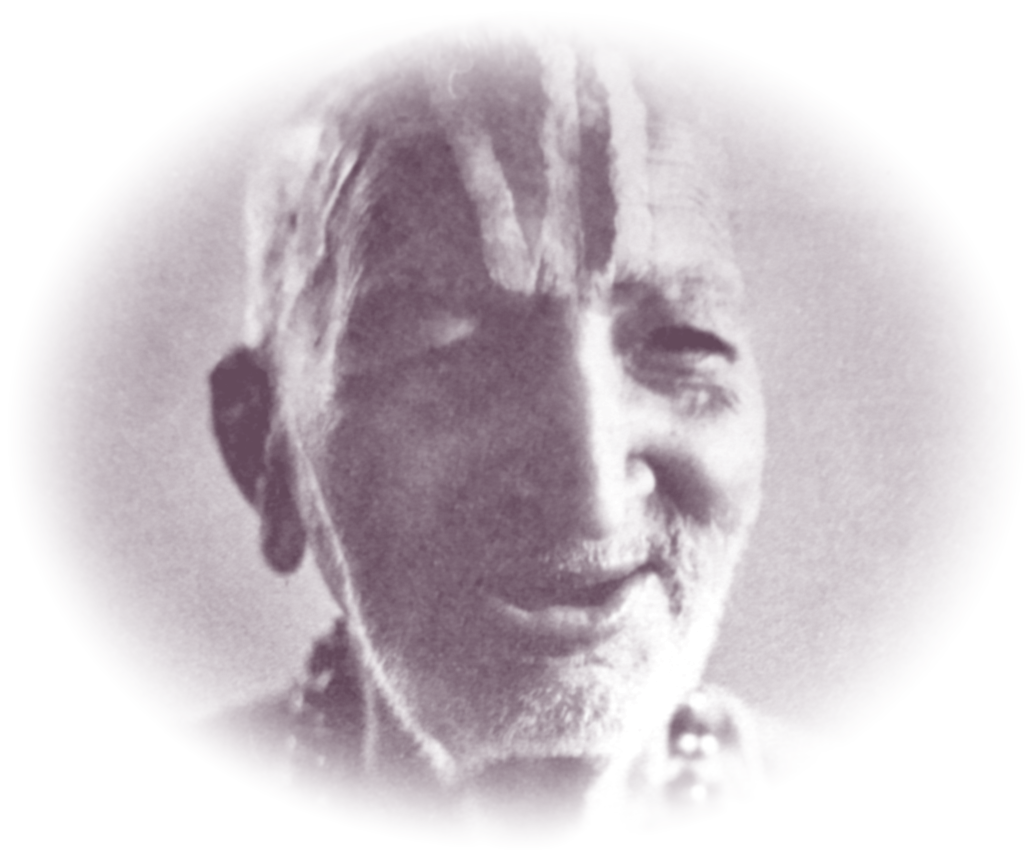
T. Krishnamacharya was born on 18 November 1888. His son T.K.V. Desikachar wrote, “T. Krishnamacharya in his life of hundred years, served humanity through Yoga.” Just about all Westerners who are yoga teachers or yoga enthusiasts are descendants of his teachings. Australian schools and studios almost all descend from the lineage of Krishnamacharya.
In 1933 the Maharaja of Mysore, Krishnaraja Wadiyar IV, set up a yoga śālā for him in the Jaganmohan Palace, where Pattabhi Jois, B.K.S. Iyengar, and later Indra Devi studied under him. Vivekananda too a generation earlier was supported by the Mysore royals.
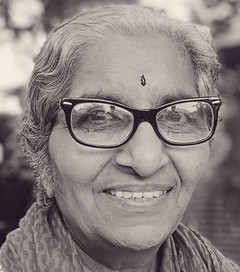
Last month I said to Krishnamacharya’s grandson Deepak that his grandfather in many ways single-handedly created yoga as we know it in the West. He noted that all his grandfather’s impact was from a position of tutelage. The prominent lineages that emerged, those boys were barely twenty years old, teachings passed gratis from generation to generation. Similarly, his mother, Shri Shubha, who is seventy-three now, works in Gokulam on a donation basis and plans to send volunteers each month to teach in homes for the elderly and in orphanages.
It reminds me of a recent event I attended at ABC Studios in Sydney. We were gathered on the sacred lands of the Gadigal, the grass tree people, honoured by an elder doing a welcome to country. He was incredible and his talk reinvigorated my respect for the concept of land acknowledgements, welcome to country.
“Each clan, each nation knows the boundaries and the entry point. … I’d light a fire. I’d sit there and wait for the host team to come and greet me at the fire. … I need to tell them who am I, where I’ve come from, and what am I doing there? … When they let me in the country, there are things I need to know as a visitor. Where can I walk and not walk? Where are your sacred sites I’m allowed to visit and not allowed to visit? Where are the water holes I can drink from? What food’s available on your country? Most important thing of all is where is the toilet?”
Yoga Australia must lead well, from an ontologically clear position where any lineage is welcome, no prohibition on style, and strong engagement with India, the source of yoga. India herself, this mother of civilisation, the frequently unpaid progenitor toured and exploited. The least we can do is bring a sense of justice, balance, and respect for poetic circularity and long-term perspectives.
Yoga Australia is here to protect and strengthen yoga as it is known in this country. We are well placed to help people establish a rich practice and a manner of teaching that reveres the source. We can learn from our Indigenous brethren. We can revere the elders, sit at their feet, which is the literal interpretation of the word Upaniṣad, yield to their blessing and be guided to flourishing.
Speaking to Deepak, he said his mother had recently asked, “What’s this 200-hour teacher training I hear about?” She asked how long students practise before they commence that kind of training. When told that there is not much requirement, she said her father wouldn’t let anyone teach unless they had practised for at least eight years. This anecdote offered in the spirit of whimsy and surprise.
Legends go around, these fables, such as the one that Krishnamacharya himself was a strict and harsh teacher. It’s just not true. Shri Shubha says he never once scolded her and never pushed her into poses. Ma’am says she “grew into kapotāsana”, rather than by force, and her students reach piñcha mayūrāsana the same way. Everything is within reach. It just takes regular sādhana.
Krishnamacharya was, however, clear on his expectations and conditions for teaching. When Deepak was a baby, six or eight months old, she continued classes with her father all throughout. There were times when, because of the baby, she’d be two minutes late to class, and her father would have shut the door. Her mother confronted him, saying she had just had a baby and he couldn’t do that! Our progenitor said “Discipline is discipline”. He never shouted, but he sent the message.
Repeatedly through the ages we’ve been given means to reorient those negative tendencies, anxious and bitter thoughts, and the sparky ones that pop into your head. Sometimes overwhelming, but always simple, if not easy, to address, once the principles of yoga are embedded in life. Good technique is key, good teaching is key.
The magpies of spring: thoughts intruding, swooping as it were. But with reverence and understanding of the precious movements of energy, cycles of energy, our native perspective comes to the fore.
With daily practice, competence, vidyā, arises (yogaḥ karmasu kauśalam)1. Our “lay of the land” increases (kṣetrajñaṃ cāpi māṃ viddhi)2. Even annoyances coalesce and their essence becomes known, fear turns into joy and serendipitous ideation. Things imagined formulate in front of your eyes (yac cānyad draṣṭum icchasi)3.
Bhagavadgītā 2.50
Bhagavadgītā 13.2
Bhagavadgītā 11.7
Our only job is to maintain the practice of positive perspective (vitarkabādhane pratipakṣabhāvanam)4 and automatically curious responses to the unexpected. Such a delight! If you believe you are the doer, you create karma (kartary abodhe kārmaṃ)5. If you wave your arms around trying to hit those magpies, you’re going to be busy for a long, long time. Many rebirths.
Yoga Sūtra 2.33
Īśvarapratyabhijñākārikā 3.2.5


bandhaya vāyum nandaya jīvam
dhāraya cittam dahare parame
iti tirumalah krsno yogī
pradiśati vācam sandeśākhyām
Regulate the breath, be happy, and
link the mind with the Lord in your Heart.
This is the message of Yogi Tirumala Krsna.
T. Krishnamacharya, Yogāñjalisāram, śloka 32