
Births most fortunate
Prenatal yoga
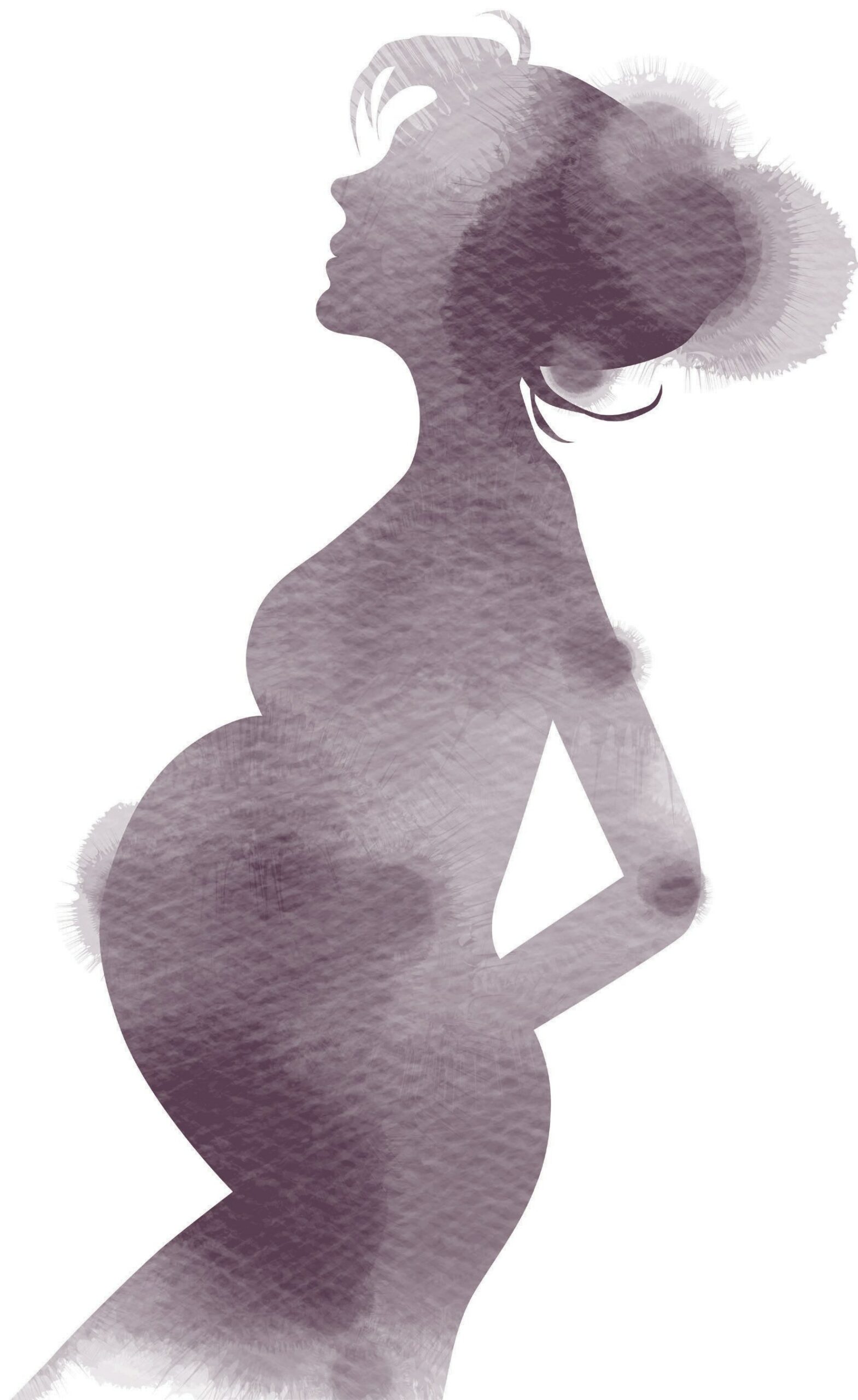
Prenatal yoga is such a beautiful opportunity to remind students that their bodies are absolutely designed for birth. They are capable, strong, and perfectly built for this process.
Studies have indicated that women who engage in yoga during their pregnancies tend to experience shorter labours. Not only that, but these individuals also report a greater sense of comfort throughout the birthing process, which leads to a decreased reliance on pharmacological pain relief.
Nadine O’Mara, Bliss Baby Yoga
A woman’s mind, body, and soul work as one. Her cycle, her fertility, her pregnancy, and her birth are natural processes, and each is met best with trust, understanding, and compassion.
Teachers who share that view offer a practice that is trauma-informed and inclusive, and that helps a woman know her own body and choose for herself, alongside her care team.
Kylie Hennessy, Yoga from Menarche to Motherhood
Every pregnancy is unique
First trimester
The first trimester is often associated with morning sickness and many women feel too nauseous to exercise, many women will also feel tired. The key is to adapt the practice and make it appropriate for your needs.
Although the pregnancy may not be showing at this stage you may be experiencing rapid and profound changes in your body.
Second trimester
This is often the time in the pregnancy that many women feel at their best and most able to exercise. The common aches and pains of pregnancy may begin to present themselves at this point but yoga can help.
During this time a yoga practice that is sustainable right through until labour can be established. This includes time for rest, appropriate prāṇāyāma and deep relaxation.
Third trimester
At this stage in the pregnancy many women begin to feel tired again. Nausea, heartburn or indigestion may appear too … however some women feel absolutely wonderful. Common sense leads most women to need to rest more as they get heavier.
Lying on one side tends to be a preferable position (remember this for śavāsana, the final relaxation at the end of your practice) often with the knees bent and the support of a cushion between the thighs.
The sacred 40 days
Let this time be one of sacred rest and nourishment.
In India and within several other cultures all around the world women who have had a baby are given a full body massage every single day post-natally until a complete recovery is made (usually 40 days).
Ease into expanding your practice slowly.
For most new mums you’ll be ready to start your practice again around six weeks after labour, if you had a caesarean it might take a little longer.
Katie Rose, The Yoga of Birth
Scope of practice
Just as every yoga student is an individual with specific requirements, so every pregnancy is unique and has its own distinctive needs.
Contraindications
If the following issues present themselves, sympathetic medical approval is needed before beginning any physical exercise:
- A history of miscarriage
- A history of premature labour
- Cervical weakness that has been treated with a stitch
- Any sudden or unexplained discomfort in the abdomen
- The baby isn’t moving (where previously you could feel he or she was)
- Fever or colds / flu
- Suspected or confirmed deep vein thrombosis in legs
Many pregnant women experience both lower and higher blood pressure than usual. When you are practicing, be aware of this and adopt very slow, steady transitions from all inversions to upright positions.
Breathing techniques which are strongly discouraged in pregnancy are those of ‘breath of fire’ and ‘kapālabhāti’.
Katie Rose, The Yoga of Birth
CPD resources
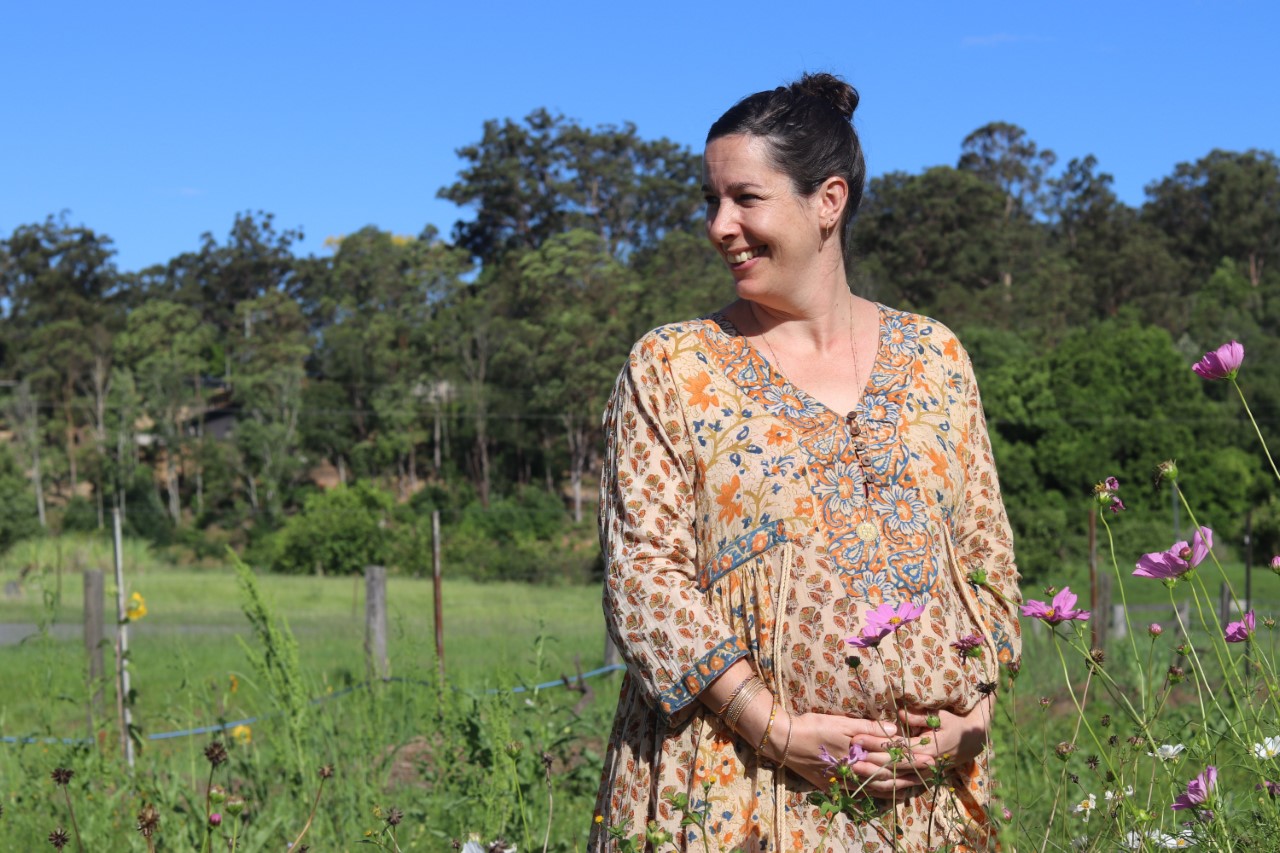
Prenatal Yoga
It is my hope that in this course you will find encouragement and ideas for supporting people in pregnancy.
Katie Rose is a yoga teacher, ayurveda guide and author with over 25 years of experience in the world of wellness.

Yoga for Better Births
Nadine O’Mara is a dedicated Prenatal and Postnatal Yoga teacher, Doula, and the Director of Bliss Baby Yoga. With over 18 years of experience, she specialises in supporting women’s health during pregnancy, birth, and postpartum.

Incorporating Postnatal Students in Yoga Classes
This course is designed so that any yoga teacher can feel confident welcoming students who have just had a baby into their general class.
Prenatal · Specialisation Standard
Yoga Australia
Target Level 2
This standard permits teachers to teach yoga to pregnant and postnatal students, adapting practice to a changing body through pregnancy, birth, and the return to practice.
Scope
Teachers adapt yoga to students through pregnancy and after birth, in a dedicated session and as one student within a general class, and pace practice to what the body can do at each stage.
Teachers prepare students for birth. The birth itself belongs to their midwives, their doctors, and their doulas where they have one. Diagnosis, management of complications, and treatment of specific conditions are the care team’s work.
Conceptual
C2 · Explain the pregnant and postnatal body
Curriculum Competency 2 · Human Systems, Level 2 (Override)
Explain the structural and physiological changes of pregnancy across its trimesters and after birth, and predict what they ask of practice at each stage.
Procedural
C5 · Adapt a program across a changing body
Curriculum Competency 5 · Teaching Methodology, Level 2 (Override)
Gather the care team’s advice and the stage students are at, tailor a program to it, and revise it as the pregnancy advances and again after birth.
C6 · Modify, withhold, and introduce practice by stage
Curriculum Competency 6 · Techniques and Practices, Level 2 (Override)
Sequence practice that is safe at students’ stage, modify for the changed body, and withhold what the stage contraindicates. Introduce what serves it, the breath for birth on a lengthened exhalation among them.
C7 · Communicate with students and their care teams
Curriculum Competency 7 · Communication, Level 2 (Inherit)
Exchange information with a care team under privacy and confidentiality protocols, and treat consent as ongoing.
Professional
C10 · Work within scope and refer
Curriculum Competency 10 · Scope of Practice, Level 2 (Override)
Articulate the boundary between adapting practice and the clinical care of pregnancy and birth, and demonstrate referral to students’ doctors, midwives, or obstetricians.
C11 · Sustain a personal practice
Curriculum Competency 11 · Personal Practice, Level 2 (Inherit)
Maintain a regular personal practice and reflect on it with a peer.
Extensions
Recognise a presentation that ends a session and refer
Added by this standard (Extend)
Recognise a change that calls for practice to stop, stop it, keep students comfortable, and send them to care with the urgency it asks.
Guide the return to practice after birth
Added by this standard (Extend)
Guide postnatal students’ return by degrees, timed to their recovery and the kind of birth they had, and refer when recovery asks for a clinician first.
Pathways
Direct assessment. Applicants with prior study can apply directly for assessment.
By training. Other applicants complete training designed to this standard, combining multimodal study with an examination.
Delivery
Indicative training of fifty hours above a 200 hour teacher training, procedural capabilities ideally delivered in person. Training providers remain responsible for course delivery.
Assessment
Examination is the principal instrument. Each block of training ends with a quiz, and a written examination concludes the course. The examination covers adaptation by stage and the pregnant and postnatal body. It also covers contraindications, scope, and referral. Applicants address each competency of this standard in writing.
Documentary evidence comprises training records, hours, and a statement of personal practice. Direct applicants add evidence of prior study. Yoga Australia staff review the application and may request a conversation or follow-up.
Credential
Award. Teachers assessed to this standard receive the badge and are listed in the public teacher directory. Provisional members may train and be assessed, and their competencies bank toward future upgrades. Badge and directory listing awarded only when teachers reach Level 1 or beyond.
Verification. Badges are signed Open Badges 3.0 credentials issued to individual teachers. Each badge cites this standard as its criteria and lists the competencies it certifies. The signature can be checked at verifierplus.org independently of Yoga Australia. Members keep the issued badge file themselves and can show it to anyone. The registration listing behind each badge shows whether its holder is current, and a badge is revoked when its holder leaves the level.
Assurance. Staff assess to the principles of assessment and the rules of evidence used in Australian vocational education. Each competency is assessed to its statement in this standard. Assessors record the decision and its date, the competencies found met, and the certificates read. The association validates the assessment it conducted and confirms the submitted documentation is genuine.
May All Beings Everywhere be Happy and Free, and may the thoughts, words and actions of my own life contribute in some way to that happiness and to that freedom for all.
Lokāḥ samastāḥ sukhino bhavantu
Prenatal Yoga Teacher Badge
Provisional members may train and be assessed, and their competencies bank toward future upgrades. Badge and directory listing awarded only when teachers reach Level 1 or beyond.
Applications are open to Yoga Australia members.
Log in to apply, or become a member.
